Blog Details
Beginner Trading Guide 2026

Beginner Trading Guide 2026: How to Start Trading Successfully Worldwide Without Costly Mistakes
In 2026, online trading is more accessible than ever. From stocks and forex to crypto and commodities, anyone with an internet connection can participate in global financial markets. While this accessibility creates opportunity, it also increases risk—especially for beginners who enter the market without preparation.
Social media often highlights quick profits, luxury lifestyles, and “easy money” strategies. However, the reality is that most new traders lose money due to poor planning, lack of education, and emotional decisions.
This complete beginner trading guide for 2026 will help you understand how to start trading safely anywhere in the world, avoid expensive mistakes, and build a strong foundation for long-term success.
Why Most Beginner Traders Lose Money in 2026
Before you place your first trade, understand the common reasons beginners fail:
1. Lack of Proper Trading Education
Many new traders rely on random tips, influencers, or online hype instead of learning market fundamentals.
2. Poor Risk Management
Risking too much on a single trade can destroy an account quickly.
3. Emotional Decision-Making
Fear, greed, and impatience often override logic.
4. Unrealistic Profit Expectations
Trading is not a shortcut to instant wealth. It is a skill that requires time and discipline.
5. Overtrading Multiple Markets
Jumping between stocks, forex, crypto, and commodities without mastery leads to confusion and losses.
Trading is not gambling—but without structure and discipline, it becomes one.
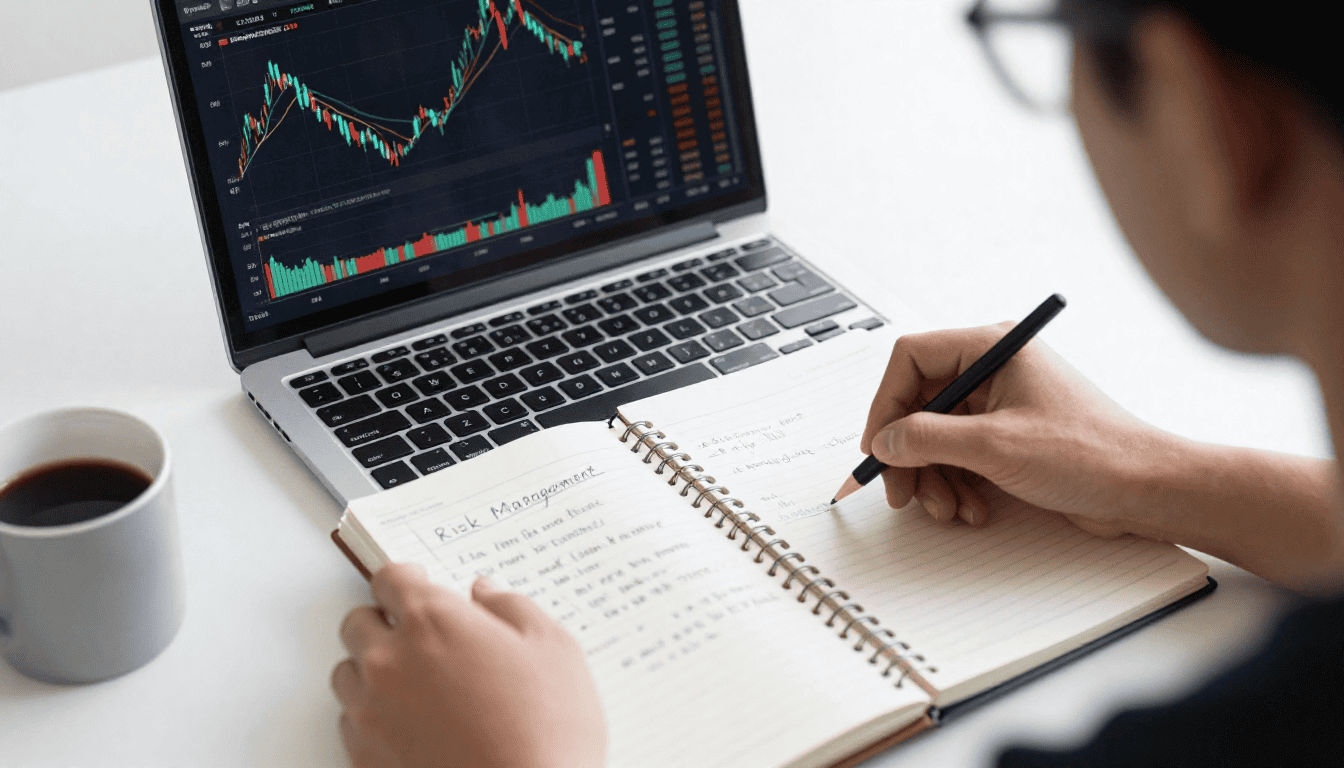

Step 1: Learn How Financial Markets Work Before Using Real Money
In 2026, global markets are interconnected. News in one country can impact prices worldwide. Understanding this is essential.
Focus on learning:
-
How buyers and sellers move prices
-
Market hours and liquidity
-
Economic data and global news impact
-
Key terms: leverage, margin, volatility, stop-loss, take-profit
-
Risk-to-reward ratio fundamentals
Safe Ways to Practice Trading
-
Use demo accounts provided by brokers
-
Try paper trading to test strategies
-
Study candlestick charts and support/resistance
-
Learn basic technical analysis
Think of this stage as training before competition. Preparation reduces expensive mistakes.
Step 2: Start Small and Protect Your Trading Capital
In 2026’s volatile global markets, capital protection is your number one priority.
A widely accepted rule among professional traders:
Risk only 1–2% of your total capital per trade.
If you start with $500, $1,000, or any amount, keep your risk small. This approach:
-
Prevents major drawdowns
-
Allows you to survive losing streaks
-
Gives you time to develop skill
Your goal as a beginner is survival—not massive profits.
Step 3: Apply Strict Risk Management Strategies
Professional traders focus more on managing losses than chasing profits.
Follow these global best practices:
-
Always place a stop-loss order
-
Maintain at least a 1:2 risk-to-reward ratio
-
Never increase position size to recover losses
-
Avoid emotional revenge trading
Risk management keeps you in the game long enough to succeed.
Step 4: Master Trading Psychology
In 2026, technology evolves—but human emotions remain the same.
Common psychological mistakes:
-
Closing profitable trades too early
-
Holding losing trades too long
-
Overtrading due to boredom
-
Trading after a loss to “win back” money
How to Build Emotional Discipline
-
Create a written trading plan
-
Define entry, exit, and risk rules
-
Take breaks when stressed
-
Practice journaling or performance tracking
Emotional control separates successful traders from failed ones.
Step 5: Focus on One Market Before Expanding
Global markets offer many opportunities:
-
Stock market trading
-
Forex trading
-
Cryptocurrency trading
-
Commodity trading
Instead of switching constantly, choose one market and master it first. Learn its volatility patterns, trading sessions, and economic drivers.
Depth of knowledge creates consistency.
Step 6: Maintain a Trading Journal for Continuous Improvement
A trading journal is one of the most powerful tools for growth.
Record:
-
Entry and exit points
-
Strategy used
-
Risk percentage
-
Emotional state
-
Trade outcome
Review your journal weekly. Identify patterns, strengths, and mistakes. Improvement comes from analysis.
Step 7: Think Long-Term in Global Markets
Successful trading in 2026 requires:
-
Patience
-
Discipline
-
Continuous learning
-
Adaptability to global economic changes
Markets evolve with technology, AI, geopolitical events, and monetary policies. Stay informed and keep improving.
Trading is a skill developed over months and years—not days.
Should Beginners Take Professional Trading Courses?
While self-learning is valuable, structured education can accelerate progress.
Look for trading programs that teach:
-
Technical analysis basics
-
Risk management systems
-
Trading psychology
-
Practical chart-reading skills
-
Real-time market application
A strong foundation can prevent years of trial-and-error losses.
Final Thoughts: How to Succeed in Trading in 2026 and Beyond
Trading successfully in today’s global markets is not about predicting every move. It is about:
-
Protecting capital
-
Managing risk
-
Controlling emotions
-
Following a disciplined trading plan
Approach trading like a business—not gambling.
Start small. Stay consistent. Keep learning. Protect your capital.
Trading is a marathon, not a sprint—and with the right mindset, beginners worldwide can build long-term success.
Latest Posts
-
2026 Forex Roadmap
27 Nov 2025
-

The Future of Forex Trading in 2026
27 Nov 2025
-

How Forex Signals Will Change in 2026
27 Nov 2025
-
Forex Signals Worldwide in 2026
27 Nov 2025